
When Is the Best Time to Aerate Your Lawn?
A lush, healthy lawn can be the envy of the neighborhood, but achieving this feat requires careful attention to detail and a solid approach to lawn care. Aeration is often overlooked, falling behind more urgent needs like adequate water and nutrients. However, it’s just as important for the long-term health of your grass. This guide will help you understand when the best time is to aerate your lawn and why it’s so essential for lasting success.
Why is it important to aerate your lawn?
Before we get into the best time to aerate, let’s cover why this practice is so important for a healthy lawn:
Reduces soil compaction
Over time, foot traffic, lawn care equipment, and rainfall can lead to highly compacted soil that lacks air pockets essential for healthy root systems. Even sandy soils can become compacted, becoming dense and impenetrable. When you aerate your lawn, grass roots can access oxygen more easily.
Improves water and nutrient absorption
Soil compaction also prevents water and nutrients from reaching root systems, leading to a lawn that’s starving for nourishment. Aeration helps ensure the soil retains moisture, so your plants can soak up nutrients and put fertilizer treatments to work.
Reduces runoff
During the summer months, Florida’s wet-dry cycles can encourage surface crusting. As soil becomes hydrophobic, it repels water, which can be particularly dangerous during heavy rainfall. Aerating your lawn encourages water to move downward into the soil matrix, improving hydration and reducing erosion.
Breaks down thatch
Certain grasses, such as St. Augustine and Kentucky bluegrass, are prone to developing thatch, a layer of dead and living organic material between the soil surface and the visible grass blades. When this layer becomes too thick, it blocks air, water, and nutrients from reaching the roots. However, proper aeration supports beneficial microorganisms that help break down this layer and improve lawn health.
Boosts drought and stress tolerance
In some ways, grasses are a lot like us. Those that can effectively utilize oxygen, water, and nutrients are much more resilient under stress, recovering faster from drought, extreme temperatures, pests, and disease. You may not be able to predict the weather, but you can give your lawn the best chance of success by aerating regularly.
Helps control weeds
Since a healthy, dense lawn is usually able to crowd out weeds, proper aeration can indirectly reduce weed growth over time. This practice may help control invasive species like dollarweed, crabgrass, and spurge without additional intervention.
Read more: Florida Grass Types to Use for Landscaping
When’s the best time to aerate your lawn?
Let’s get into when you should aerate your lawn and how to determine the best time to perform this essential lawn care service.
Consider your grass type
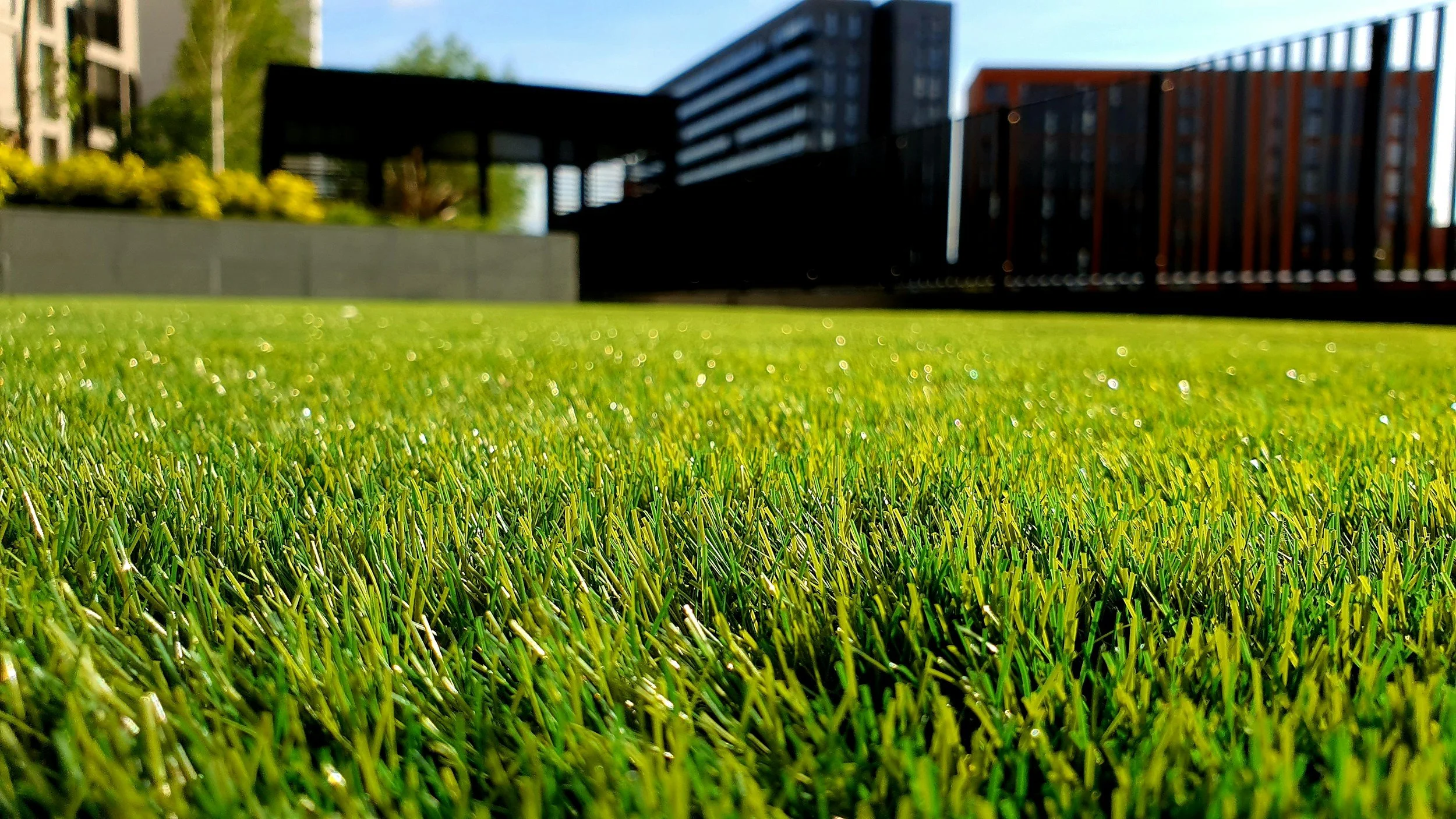
The type of grass you’re growing will determine the best time to aerate your lawn. Warm-season grasses like St. Augustine, Bermuda, zoysia, and centipede tend to grow from late spring to late summer. On the other hand, most cool-season grasses, such as ryegrass, fescue, and Kentucky bluegrass, have a growing season stretching from early fall to the end of spring.
Aerate during the active growing season
The best time to aerate your lawn is when it’s actively growing. For most folks in Florida, this will be roughly from May through August.
Aerating during dormant periods can actually increase stress and damage your turf, since it can’t recover from the process as quickly. Consider aerating your lawn at the beginning of the growing season, right before overseeding with fresh grass seed.
Determine how often to aerate your lawn
Most healthy, well-established lawns will benefit from annual aeration, but high-traffic areas may require two treatments. Avoid aerating new lawns or recently sodded areas until they’ve developed a robust root system (usually about one year after planting).
Signs it’s time to aerate your lawn
Your lawn may send certain signals that it’s time to aerate. If you notice excess soil compaction, thatch buildup, thinning, or signs of drought or stress despite proper care, aeration might be overdue.
Related: How Often Should Pest Control Be Done at Your Home?
What are the different methods for lawn aeration?
So, now you know when the best time is to aerate your lawn, but how should you do it? Here are three popular methods to consider:
Core aeration
For severe compaction or excessive thatch formation, there’s no better solution than core aeration. This technique uses a machine or manual tool to extract plugs of soil, leaving them on top of your lawn to decompose.
It isn’t the most attractive method, but it’s the best way to reduce compaction, improve water and oxygen penetration, and break down thatch. Use core aeration on clay soils and lawns with heavy foot traffic for optimal results.
Spike aeration
If you prefer a tidier alternative to core aeration, spike aeration might fit the bill. With this technique, spikes or tines are pushed into the ground, creating holes without removing any soil. It’s faster and less disruptive than core aeration but isn’t as effective for highly compacted lawns. Consider this method for maintenance aeration treatments on lawns without large clay pockets or major compaction issues.
Liquid aeration
Liquid aeration uses a chemical solution to penetrate into the soil and loosen compacted areas. It’s low-effort, easy to apply, and can be helpful in tight quarters where machinery can’t reach. However, the benefits are somewhat limited. You might find that liquid aeration is a good supplement for garden beds and areas around sprinklers.
Keep your lawn healthy with the pros at Soil & Bloom!
Soil & Bloom offers professional lawn care services to meet all your seasonal needs. Reach out to our team today for a free estimate!
