
Can You Grow Low Maintenance Ground Cover in Florida?
They say the grass is always greener on the other side of the fence, but what if your lawn featured something entirely different? Grass isn’t the only option for an attractive landscape. In fact, there are many types of low-maintenance ground cover plants that can boost your curb appeal and reduce your workload.
What are the benefits of ground cover vs grass?
The right ground cover can offer a number of advantages over a traditional grass lawn. Here are a few great reasons to consider planting these alternatives in your landscape:
Lower maintenance needs
Many ground cover plants are inherently low-maintenance. In fact, you can select from many different species to ensure your lawn requires:
Little or no mowing
Less frequent fertilization
Fewer pest and weed treatments
Very little watering once established
High traffic tolerance
If the walkways and play areas in your yard look a little bare, you may need a low-maintenance ground cover that can withstand heavy foot traffic. Many popular options are surprisingly tough, especially in shaded or sandy areas where grass struggles to grow.
Water efficiency
Despite being one of the wettest states in the US, Florida also experiences extreme summer heat and dry spells that quickly evaporate all that rain. You’ll find plenty of drought-tolerant ground covers that, once established, are substantially more water-efficient than grass.
Soil health and erosion control
The root systems of grass species are notoriously shallow, so covering large areas of land with turf can quickly lead to soil erosion and nutrient loss. On the other hand, low-maintenance ground cover varieties often have dense growth patterns and much deeper roots, which improve soil structure and prevent runoff and erosion.
Aesthetic variety
While there are many different grass species to choose from, they all end up looking similar and, honestly, kind of boring. But landscaping with ground cover allows you to get creative and add visual interest to your front and back yard. From flowering vines to variegated leaves, there’s no shortage of colors, textures, and growth patterns to enhance your curb appeal.
Related: What Is Hydroseeding and Why Should You Do It?
Types of low maintenance ground cover to grow in Florida
Let’s explore some of the best low-maintenance ground cover plants for your Florida landscape:
Perennial peanut (Arachis glabrata)
Want the cohesive appearance of a well-manicured lawn without all the upkeep? You’ll want to consider the perennial peanut. This fan favorite is pest-resistant and drought-tolerant once established. It’s perfect for large, erosion-prone yards that receive full sun. In warmer months, it produces small yellow flowers that transform your yard.
Sunshine mimosa (Mimosa strigillosa)
These creeping perennials are native to Florida, making them ideal for eco-friendly lawns and pollinator gardens. They’re also fast-growing and more resilient to foot traffic. With soft, fern-like foliage and pink puffball flowers, they’re sure to bring your yard a touch of character. However, some find that they look a bit wilder than other alternatives, so you may want to reconsider if you’re going for a highly polished appearance.
Frogfruit (Phyla nodiflora)
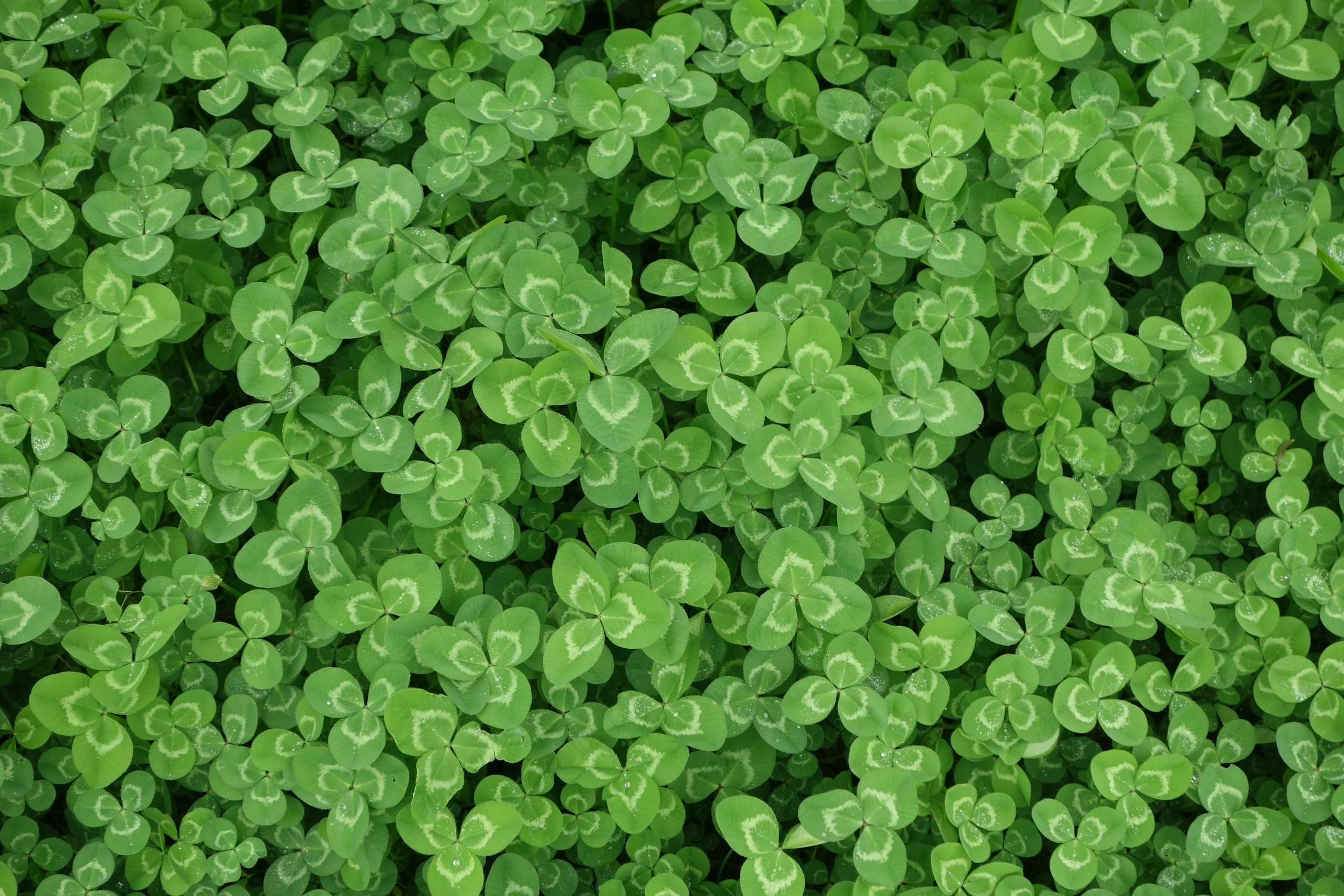
Want a low-maintenance ground cover that’s virtually indestructible? Look no further than frogfruit. This species can withstand droughts, flooding, and poor soil conditions with ease, while also attracting butterflies and other native pollinators.
Asiatic Jasmine (Trachelospermum asiaticum)
This evergreen plant features dense, glossy foliage that suppresses weeds and looks great in more uniform landscapes. Asiatic jasmine is more ornamental than functional, so it isn’t ideal for heavy foot traffic.
Mondo grass (Ophiopogon japonicus)
Mondo grass is the ultimate ground cover for border areas and full shade. It’s very slow to spread, which is great for highly structured landscape designs.
Purple queen (Tradescantia pallida)
Extremely heat-tolerant and drought-resistant, purple queen adds a vibrant pop of color to any yard. It spreads quickly in full sun, filling in gaps in decorative beds with ease.
Bahiagrass (Paspalum notatum Flugge)
Bahiagrass is a Florida-friendly plant that’s most often found in meadows and pastures. It’s very drought tolerant, however, it doesn’t do well in salty conditions. It’s a moderate grower that requires full sun and slightly acidic soil. Because of its slower growth, it only needs to be mowed to about 3 to 4 inches, making Bahiagrass a top pick for many homeowners.
Related: Florida Grass Types To Use for Landscaping
How to keep your ground cover thriving in Florida
Before planting your new low-maintenance ground cover, it’s essential to select the right species for your needs. Here are a few ideas to consider as you plan your outdoor upgrade:
Consider sunlight exposure
Sunlight is one of the most important factors in landscaping. Here’s an overview of the sunlight requirements of the low-maintenance ground cover plants above:
Full sun: Perennial peanut, sunshine mimosa, frogfruit, purple queen
Partial shade: Asiatic jasmine, coontie
Full shade: Asiatic jasmine, mondo grass
If you’re in deep South Florida, be sure to consider your zone. Some plants that need eight or more hours of sunlight per day may perform best when receiving some of those rays in the morning and the rest in the afternoon, as intense midday heat can scorch the leaves. Your local landscaping experts can help you find the perfect solution for your property.
Consider soil needs
Florida soils are often sandy, fast-draining, and low in nutrients, which is actually a bonus for many low-maintenance ground covers. However, if your yard includes clay deposits or low spots that collect water, you may require soil amendments to improve conditions.
Ensure adequate watering
Drought-tolerance is a primary reason homeowners choose ground cover over grass, but these carefree plants still need some water, at least during the establishment phase. Water two to three times per week for the first month or two after planting. Then, slowly reduce the frequency and watch for signs of wilting or distress.
Get your yard ready for spring with the pros at Soil & Bloom!
Your lawn and garden are unique, and the team at Soil & Bloom is here to help you design and maintain your ideal outdoor space. Reach out today for a free estimate!
