
What Is Hydroseeding, and Why Would You Do It?
Old-school methods of laying grass seed are time-consuming and often yield disappointing results, but hand seeding and sod are no longer your only options. Hydroseeding, or hydraulic mulch seeding, takes a new approach to lawn establishment. This guide will walk you through the equipment, the application process, and the pros and cons of hydroseeding.
What, exactly, is hydroseeding?
Rather than tossing dry seed by hand and hoping for the best, hydroseeding disperses seeds in a specialized liquid slurry to support them in the early growth phase.
What’s in a hydroseeding mixture?
The typical hydroseeding solution contains the following:
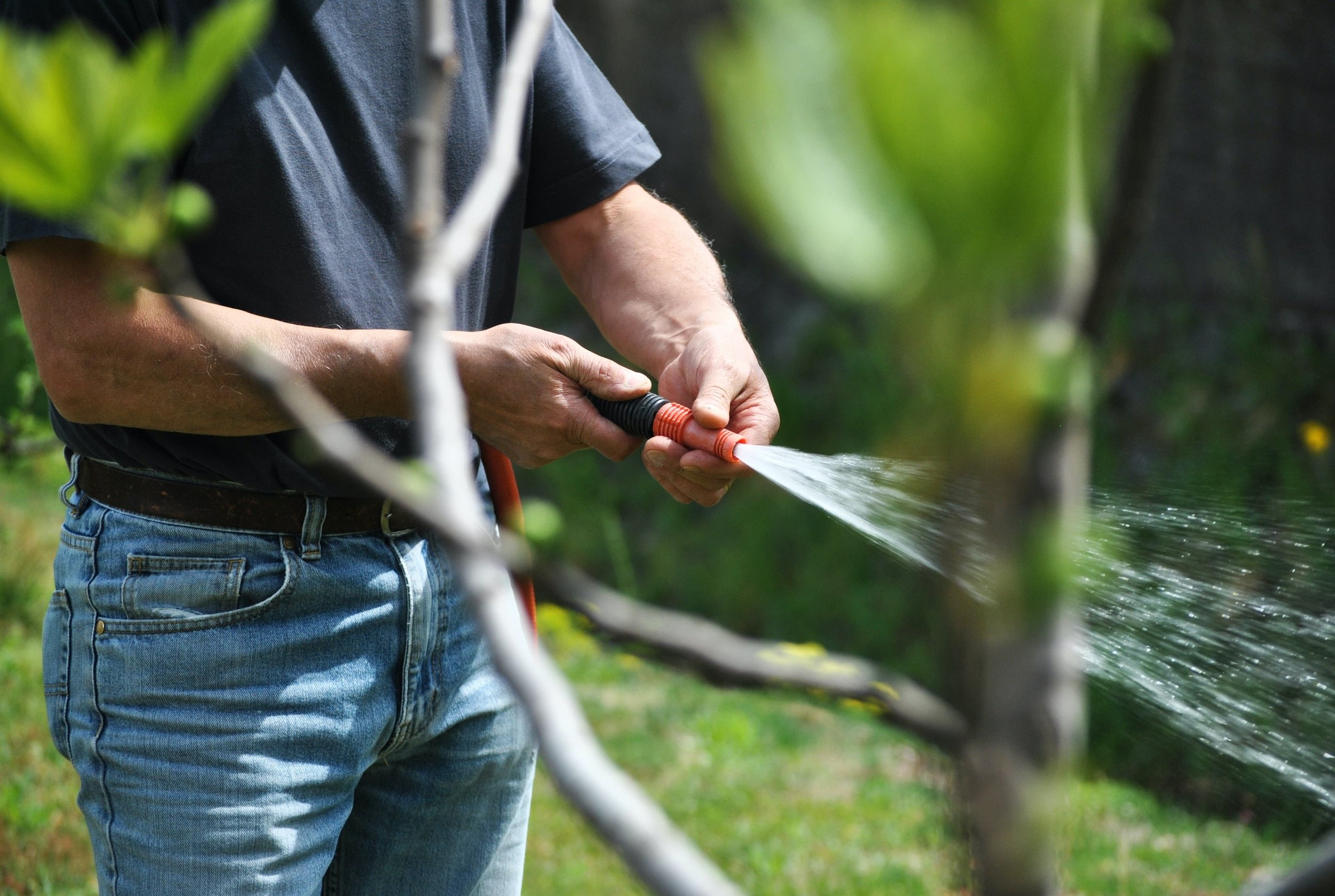
Grass seed: May be a single species or blend chosen for optimal compatibility with your local climate and property specifications.
Water: Serves as a carrier for seeds and other ingredients, and keeps seeds moist as germination begins.
Mulch: Retains moisture, reduces erosion, and protects seeds from wind, runoff, and birds.
Fertilizer: Ensures nutrient availability during germination and early establishment.
Tackifiers and soil amendments: Optional binders and nutrients based on existing soil composition.
How does it work?
Just like other lawn establishment techniques, hydroseeding begins with land preparation and, in some cases, grading. Once weeds are removed and the soil is relatively level, a hydroseeder will spray the slurry solution evenly over the ground. The mulch forms a thin, protective layer and retains moisture, holding the seeds in place and improving germination rates.
When should you use hydroseeding?
Hydroseeding is ideal for establishing new residential and commercial lawns, achieving high coverage over a large area, and supporting erosion control. In Florida, warm-season grasses like Bermuda, St. Augustine, and zoysia can be hydroseeded in spring or fall.
Related: Florida Grass Types to Use for Landscaping
Hydroseeding vs traditional seeding and sod
You now know what hydroseeding is, but how does it stack up against the competition? Here’s a comparison of hydroseeding vs hand seeding and sod.
Hydroseeding vs hand seeding
Traditional broadcast seeding falls short in pretty much every category. Uneven coverage, exposure to the elements, and labor-intensive applications often deliver lackluster results. In fact, the low cost of hand seeding is probably its only advantage.
Hydroseeding is a solution to all these issues. Not only does the slurry protect against moisture loss and scavengers, but the application process is also quick and easy.
Hydroseeding vs sod installation
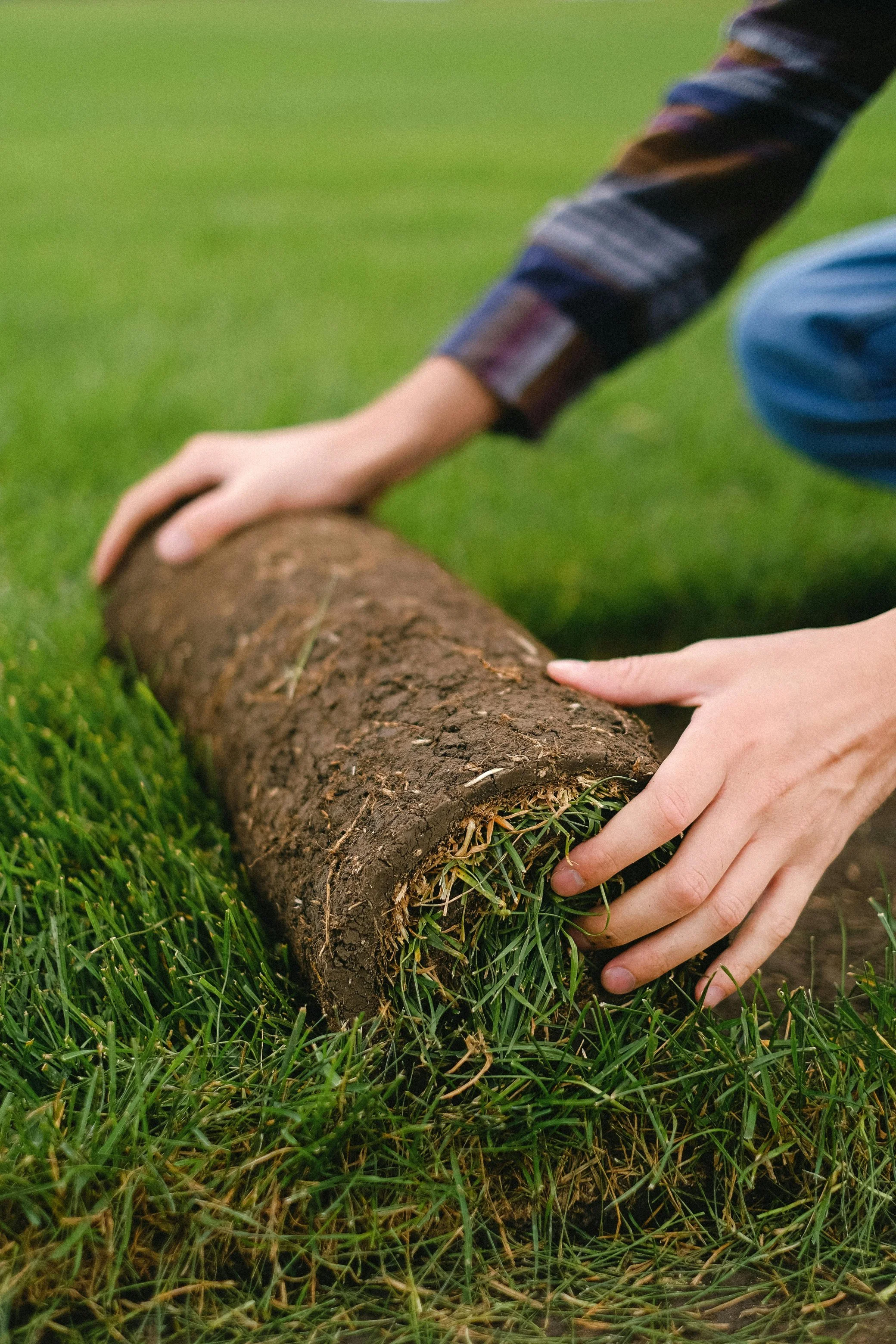
Unlike broadcast seeding, laying sod actually offers a few advantages worth considering. This practice uses pieces or rolls of healthy, living grass that’s been relocated from its original spot. This bypasses the vulnerable germination period so you can enjoy much faster establishment.
However, there are a few areas where hydroseeding is superior. With this technique, you’re not limited to the grass species from your local sod farm. Instead, you can customize your slurry with seed blends tailored to your property’s needs.
And because the seeds germinate directly in your soil, they often form a stronger root system than transplanted sod. It’s also faster, easier, and cheaper to hydroseed than to lay sod. Many professional lawn care companies charge by the acre rather than by the square foot, so this makes a significant difference.
How to choose the method that’s best for your yard
The right solution for you will depend on a variety of factors, including your budget, property size, maintenance capacity, priorities, and timeline.
So, if you’re looking for low cost, high success, and healthy establishment, hydroseeding is the way to go. On the other hand, if you need your lawn to look great right away, sod might be the better option. Just keep in mind that you may pay a premium for the installation.
Related: When Is the Best Time to Aerate Your Lawn?
Pros and cons of hydroseeding
Still not sure about using this technique to grow your lawn? Consider the pros and cons of hydroseeding:
Pros of hydroseeding
Hydroseeding is beneficial in many ways. Here are a few reasons you’ll love this method:
Highly customizable
More uniform coverage
Better germination rates
Cost-effective for large areas
Great for slopes and erosion control
Fast, easy installation
Strong root systems
Cons of hydroseeding
Of course, there are also some disadvantages to hydroseeding. This technique requires patience, so it’s not a good technique for folks who need instant gratification.
Timing is also important, as hydroseeding at the wrong time of year or right before heavy rains can spell disaster. You’ll need to provide light watering regularly as the lawn becomes established.
Is hydroseeding worth it?
For homeowners with large plots of land or erosion issues, there’s really no better way to establish a healthy lawn than hydroseeding. When you consider that the average price is much lower than laying sod and, in many cases, the end result is more robust, it’s hard to justify other techniques.
Related: Why You Should Be Looking At Eco-Friendly Landscaping Tools
Explore your landscaping and design options at Soil & Bloom!
Designing, growing, and maintaining your lawn can feel overwhelming, but the right team can reduce your workload and help you establish the most attractive yard in the neighborhood. Whether you’re searching for a professional landscape design team or a reliable lawn care maintenance crew, Soil & Bloom is here to help. Reach out today for a free estimate!
